
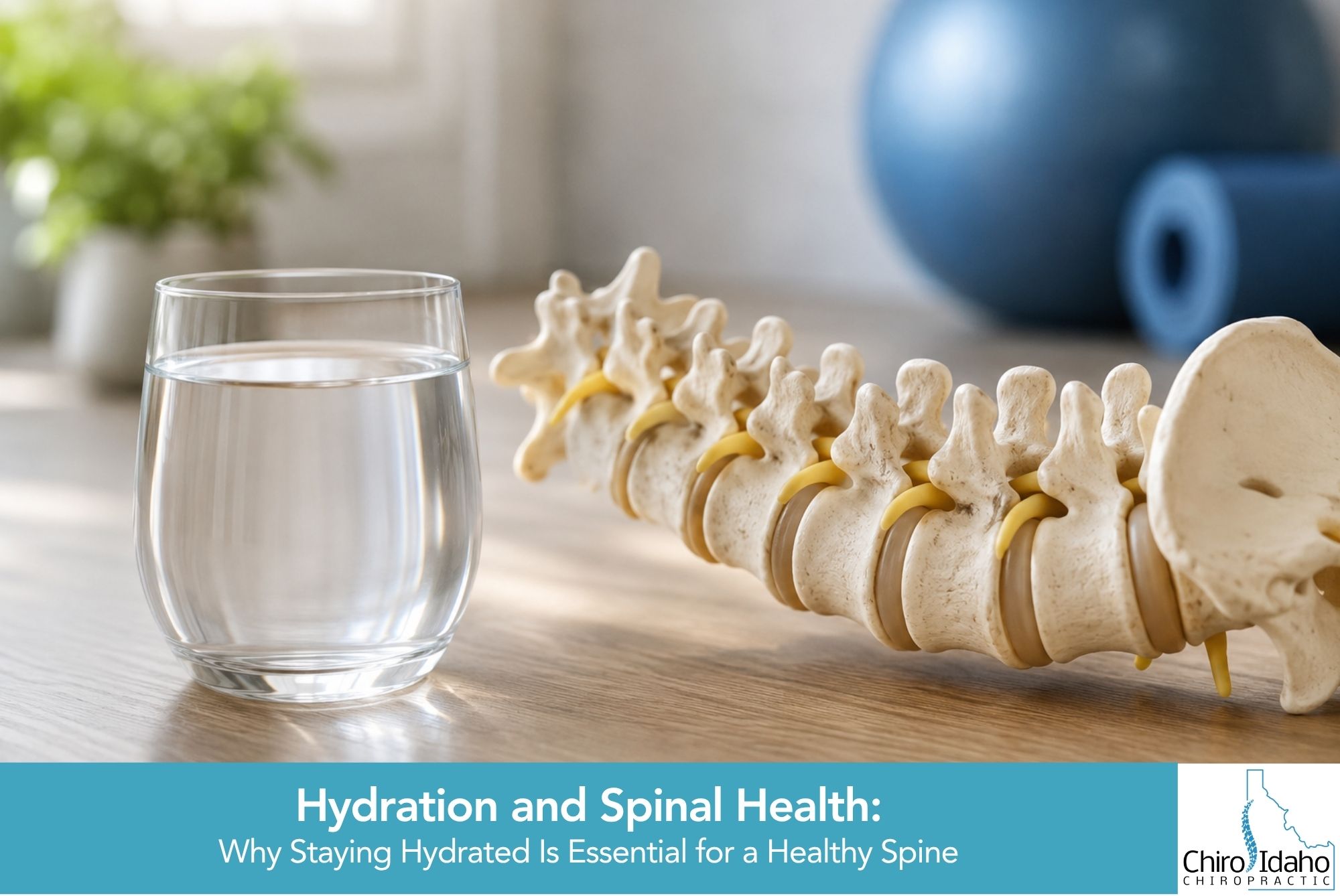
How Proper Hydration Supports Spinal Discs, Joint Function, and Overall Back Health
Many people associate hydration with energy levels, skin health, or athletic performance, but few realize that water plays a critical role in spinal health. Every structure in your spine—from the intervertebral discs to the surrounding muscles, ligaments, joints, and connective tissues—depends on adequate hydration to function properly.
When the body becomes dehydrated, spinal discs can lose water content, muscles may fatigue more quickly, joints may become less lubricated, and recovery from physical activity can slow. While hydration alone won’t prevent or cure spinal conditions, it is an important part of maintaining spinal health alongside proper movement, posture, exercise, nutrition, and professional chiropractic care.
At Chiro Idaho Chiropractic, we take a comprehensive approach to musculoskeletal health. In addition to chiropractic adjustments, we utilize advanced therapies including SoftWave Therapy and Class 4 Laser Therapy to help reduce pain, improve healing, and support long-term function for patients throughout Meridian and the Treasure Valley.
Why Water Matters for Your Spine
The human body is approximately 60% water, and your spine relies heavily on that water to perform its daily functions.
The spine consists of:
- Vertebrae (bones)
- Intervertebral discs
- Facet joints
- Ligaments
- Muscles
- Tendons
- Nerves
Each of these structures depends on proper hydration to maintain strength, flexibility, and resilience.
One of the most important structures affected by hydration is the intervertebral disc.
Understanding Your Spinal Discs
Between each vertebra sits a spinal disc that acts like a shock absorber.
Each disc contains:
- A tough outer ring called the annulus fibrosus
- A gel-like center called the nucleus pulposus
The nucleus pulposus is composed largely of water. Healthy discs maintain high water content, allowing them to:
- Absorb impact
- Cushion movement
- Maintain spacing between vertebrae
- Reduce stress on spinal joints
- Protect spinal nerves
Throughout the day, spinal discs naturally lose some water due to gravity and daily activities. During sleep, they rehydrate as pressure decreases.
When the body is chronically dehydrated, discs may not rehydrate as efficiently, which can contribute to reduced flexibility and increased mechanical stress over time.
How Dehydration Affects the Spine
Even mild dehydration can affect tissues throughout the musculoskeletal system.
Potential effects include:
Reduced Disc Hydration
Without adequate water, discs may lose volume and elasticity.
This can contribute to:
- Increased spinal stiffness
- Less effective shock absorption
- Reduced spinal mobility
- Greater stress on surrounding joints
Increased Muscle Tightness
Muscles require water and electrolytes for proper contraction and relaxation.
Dehydration may contribute to:
- Muscle cramps
- Tightness
- Fatigue
- Trigger points
- Increased muscle soreness
Many patients experiencing neck or back tightness are surprised to learn that hydration may be one contributing factor.
Decreased Joint Lubrication
Facet joints help guide spinal movement.
Adequate hydration supports:
- Healthy cartilage
- Joint lubrication
- Smooth movement
- Reduced friction
Although hydration alone won’t eliminate arthritis, it supports overall joint health.
Slower Tissue Recovery
Healing tissues rely on proper circulation.
Water helps transport:
- Oxygen
- Nutrients
- Growth factors
- Immune cells
Proper hydration also supports removal of metabolic waste products that accumulate after exercise or injury.
Hydration and Low Back Pain
Research has shown that spinal disc degeneration is influenced by multiple factors including:
- Age
- Genetics
- Mechanical stress
- Smoking
- Physical activity
- Nutrition
- Hydration
While dehydration is not the sole cause of back pain, maintaining healthy hydration habits supports disc health and may reduce additional stress on already compromised tissues.
Patients with chronic low back pain often benefit from addressing multiple lifestyle factors together rather than focusing on one single treatment.
Hydration and Neck Pain
The cervical spine supports the weight of the head while allowing significant mobility.
Poor hydration combined with:
- Long hours at computers
- Poor posture
- Muscle tension
- Stress
- Limited movement
can increase stiffness and discomfort.
Staying hydrated supports healthier muscles and connective tissues that stabilize the neck throughout the day.
Hydration and Athletic Performance
Athletes place tremendous demands on their spines.
Whether participating in:
- Running
- Weightlifting
- Golf
- Tennis
- CrossFit
- Cycling
- Pickleball
- Hiking
hydration helps maintain:
- Muscle endurance
- Joint mobility
- Tissue elasticity
- Coordination
- Recovery
Even a small decrease in hydration can negatively impact athletic performance and increase fatigue.
How Much Water Should You Drink?
There is no universal recommendation that fits everyone.
Water needs depend on:
- Body size
- Activity level
- Climate
- Diet
- Health conditions
- Medications
Many healthcare professionals recommend using thirst as one guide while also monitoring urine color, aiming for a pale yellow in most healthy individuals. People who exercise heavily, spend time outdoors in Idaho’s dry climate, or work physically demanding jobs often require more fluids.
Discuss individualized hydration goals with your healthcare provider if you have kidney disease, heart failure, or other medical conditions that affect fluid intake.
Foods That Help Improve Hydration
Hydration doesn’t come only from beverages.
Water-rich foods include:
- Cucumbers
- Watermelon
- Strawberries
- Oranges
- Lettuce
- Celery
- Tomatoes
- Bell peppers
- Peaches
These foods also provide vitamins, minerals, and antioxidants that support tissue health.
Signs You May Not Be Drinking Enough Water
Possible signs include:
- Dark urine
- Dry mouth
- Fatigue
- Headaches
- Muscle cramps
- Feeling thirsty
- Dizziness
- Reduced exercise performance
- Difficulty concentrating
These symptoms can have many causes, so persistent concerns should be evaluated by a healthcare professional.
Additional Ways to Support a Healthy Spine
Hydration works best when combined with healthy daily habits.
These include:
Regular Exercise
Movement helps nourish spinal discs while strengthening muscles that support the spine.
Good Posture
Reducing prolonged slouching decreases stress on discs, muscles, and joints.
Quality Sleep
Spinal discs naturally rehydrate overnight while you sleep.
Consistently getting adequate rest supports spinal recovery.
Proper Nutrition
Protein, healthy fats, vitamins, and minerals all contribute to tissue repair and spinal health.
Maintaining a Healthy Weight
Reducing excess body weight decreases mechanical stress placed on the spine.
How Chiropractic Care Supports Spinal Health
Hydration alone cannot correct spinal dysfunction.
Chiropractic care focuses on restoring healthy movement and improving biomechanics throughout the spine.
Depending on your individual condition, chiropractic care may help:
- Improve joint mobility
- Reduce stiffness
- Relieve muscle tension
- Improve posture
- Enhance overall function
- Support long-term spinal wellness
Each treatment plan is personalized following a comprehensive examination.
SoftWave Therapy for Musculoskeletal Pain
At Chiro Idaho Chiropractic, SoftWave Therapy is one of our primary treatment options for many musculoskeletal conditions.
SoftWave Therapy uses patented electrohydraulic acoustic wave technology designed to stimulate the body’s natural healing response.
Potential benefits include:
- Improved circulation
- Support for tissue repair
- Reduced inflammation
- Decreased pain
- Enhanced mobility
- Faster recovery for certain soft tissue injuries
SoftWave Therapy is often incorporated into comprehensive treatment plans for chronic pain, tendon injuries, joint discomfort, and musculoskeletal conditions.
Class 4 Laser Therapy
Another advanced treatment available at Chiro Idaho Chiropractic is Class 4 Laser Therapy.
This non-invasive therapy uses therapeutic light energy to stimulate cellular activity and support healing.
Potential benefits include:
- Reduced inflammation
- Improved circulation
- Temporary pain relief
- Accelerated tissue repair
- Improved recovery after injury
Laser therapy is frequently combined with chiropractic care and rehabilitation exercises for optimal outcomes.
Building Healthy Habits for Long-Term Spine Wellness
Maintaining spinal health is rarely about one single habit.
Instead, long-term success comes from combining:
- Adequate hydration
- Regular movement
- Healthy nutrition
- Good posture
- Exercise
- Quality sleep
- Professional chiropractic care when appropriate
Small daily choices can have a meaningful impact on your overall spinal health and quality of life.
Frequently Asked Questions
Can dehydration cause back pain?
Dehydration alone does not typically cause back pain, but inadequate hydration may contribute to muscle tightness, fatigue, and reduced spinal disc hydration, which can increase discomfort in some individuals.
Do spinal discs contain water?
Yes. Healthy spinal discs contain a high percentage of water, which allows them to function as effective shock absorbers.
Does drinking more water repair damaged discs?
No. Drinking water cannot reverse disc degeneration, but proper hydration supports normal disc function and overall tissue health.
Can chiropractic adjustments improve spinal health?
Chiropractic adjustments may help improve spinal mobility, reduce joint restrictions, decrease muscle tension, and improve overall function when appropriate for the patient.
Is hydration important after chiropractic treatment?
Yes. Many chiropractors encourage patients to stay hydrated to support normal muscle function and overall recovery after treatment.
Does SoftWave Therapy help with chronic pain?
SoftWave Therapy may help reduce pain, improve circulation, and stimulate the body’s natural healing processes for certain musculoskeletal conditions. Your chiropractor can determine whether it is appropriate for your specific diagnosis.
What is Class 4 Laser Therapy?
Class 4 Laser Therapy uses therapeutic light energy to stimulate cellular activity, reduce inflammation, and support tissue healing in many musculoskeletal injuries.
How much water should I drink each day?
Hydration needs vary depending on body size, activity level, weather, and health conditions. Most people benefit from drinking water consistently throughout the day and increasing intake during exercise or hot weather.
Can dehydration make neck pain worse?
It may contribute to muscle tightness and stiffness, especially when combined with poor posture or prolonged sitting.
When should I see a chiropractor?
If you have persistent neck pain, back pain, stiffness, limited mobility, sports injuries, or recurring musculoskeletal discomfort, an evaluation by a chiropractor can help determine the most appropriate treatment options.
Contact Chiro Idaho Chiropractic
Chiro Idaho Chiropractic
2971 E Copper Point Dr #150
Meridian, ID 83642
Phone: (208) 807-1609
Website: https://chiro-idaho.com
Book An Appointment: https://chiroidaho.janeapp.com/